
Maybe you heard the word “prosthodontist” on a referral slip and wondered how it differs from a regular dental visit. The title carries real weight. A prosthodontic specialist in Durham has years of focused training in restoring and replacing teeth.
That background shapes every crown, bridge, and denture they design. Knowing what goes into the title can help you choose advanced prosthodontic care with confidence.
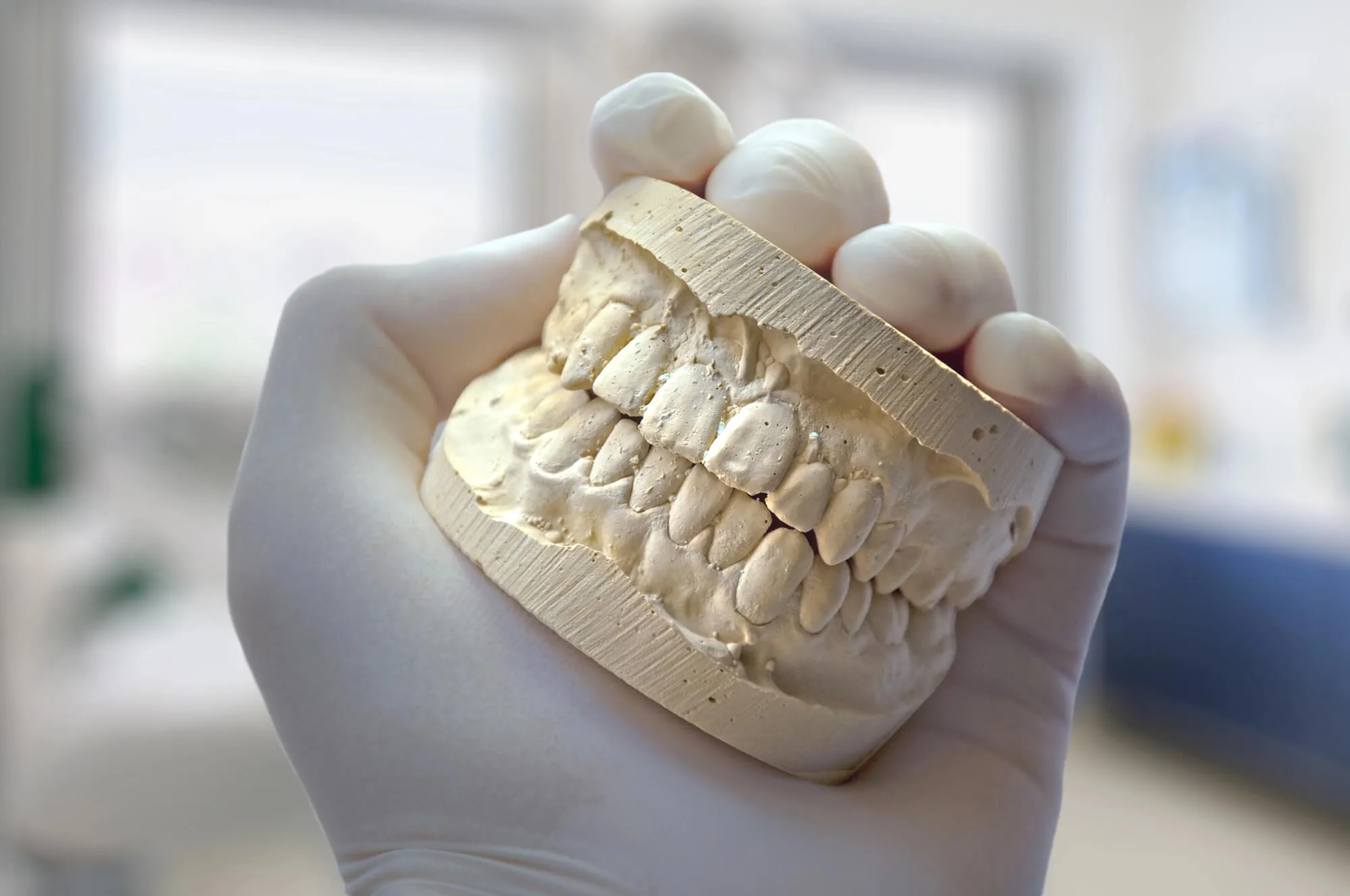
The Path From Dentist to Prosthodontist
Every prosthodontist starts as a dentist. The specialty picks up where dental school leaves off, adding layers of education that general training doesn’t cover.
Dental School Comes First
Prosthodontists earn the same DDS or DMD degree as general dentists. That four-year program builds a strong foundation in diagnosis, prevention, and everyday treatments such as fillings and cleanings.
Three More Years of Specialty Training
After dental school, a future prosthodontist completes a three-year residency devoted to restorative dentistry. Prosthodontics is a recognized dental specialty under the American Dental Association’s National Commission on Recognition of Dental Specialties and Certifying Boards. During residency, specialists-in-training focus on:
- Dental implants and the restorations they support
- Crowns, bridges, and veneers
- Complete and partial dentures
- Bite function and jaw joint health
- Complex cases that combine several treatments
What Board Certification Adds
Board certification is an extra, voluntary step beyond residency. To earn it, a prosthodontist must pass a series of written and oral exams administered by the American Board of Prosthodontics, which include presenting their own treated patient cases to examiners. Those who succeed become Diplomates of the board and must recertify to keep that status.
How That Training Shows Up in Your Care
All that education matters most once you’re in the chair. A prosthodontist looks at your whole mouth, not just one tooth. They consider how your bite lines up, how your jaw moves, and how each restoration will blend with your natural teeth.
That big-picture approach is especially helpful for:
- Several missing or failing teeth
- Teeth worn down from grinding
- Dentures that slip or feel uncomfortable
- Older restorations that need replacing
When a case calls for a full-mouth reconstruction plan, a prosthodontist can coordinate implants, crowns, and bridges into one cohesive design. They also partner with other specialists when needed. Knowing how prosthodontists and oral surgeons work together can make each step of implant treatment feel more predictable.
When It Makes Sense to See a Specialist
Your general dentist remains a key partner for cleanings, exams, and routine care. A prosthodontist steps in when treatment needs more advanced planning, like replacing several teeth or restoring a bite that feels off. If you’re weighing dental implant options or rethinking an older denture, a specialist’s perspective can make the choice clearer.
Frequently Asked Questions
Do I need a referral to see a prosthodontist?
Not necessarily. Many patients arrive through a referral from their dentist, though some insurance plans require one for specialist visits. A quick call to the office can clear up what applies to you.
Will I still see my regular dentist?
Yes. Prosthodontists often work closely with referring dentists, so your routine checkups and cleanings can continue as usual while the specialist handles your restorative treatment.
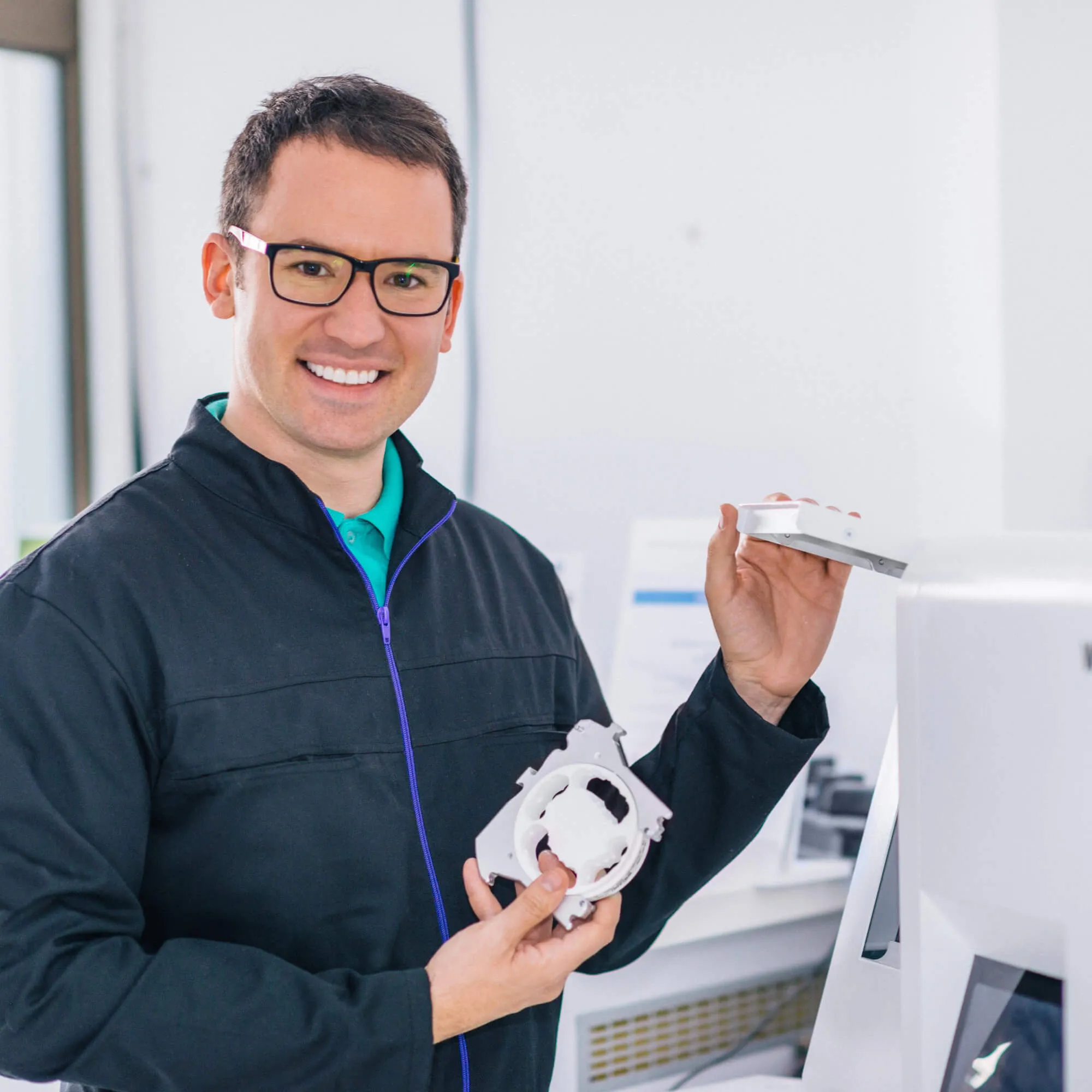
Meet a Board-Certified Prosthodontic Specialist in Durham
At Triangle Restoration Dentistry, Dr. Scurria, Dr. Marquez, and Dr. Presnell bring board-certified prosthodontic expertise to every treatment plan. Their comfort-first philosophy pairs precision with compassion, so you understand your options and feel supported along the way. When you’re ready to explore results that look and feel natural, schedule a prosthodontic consultation with our Durham team.