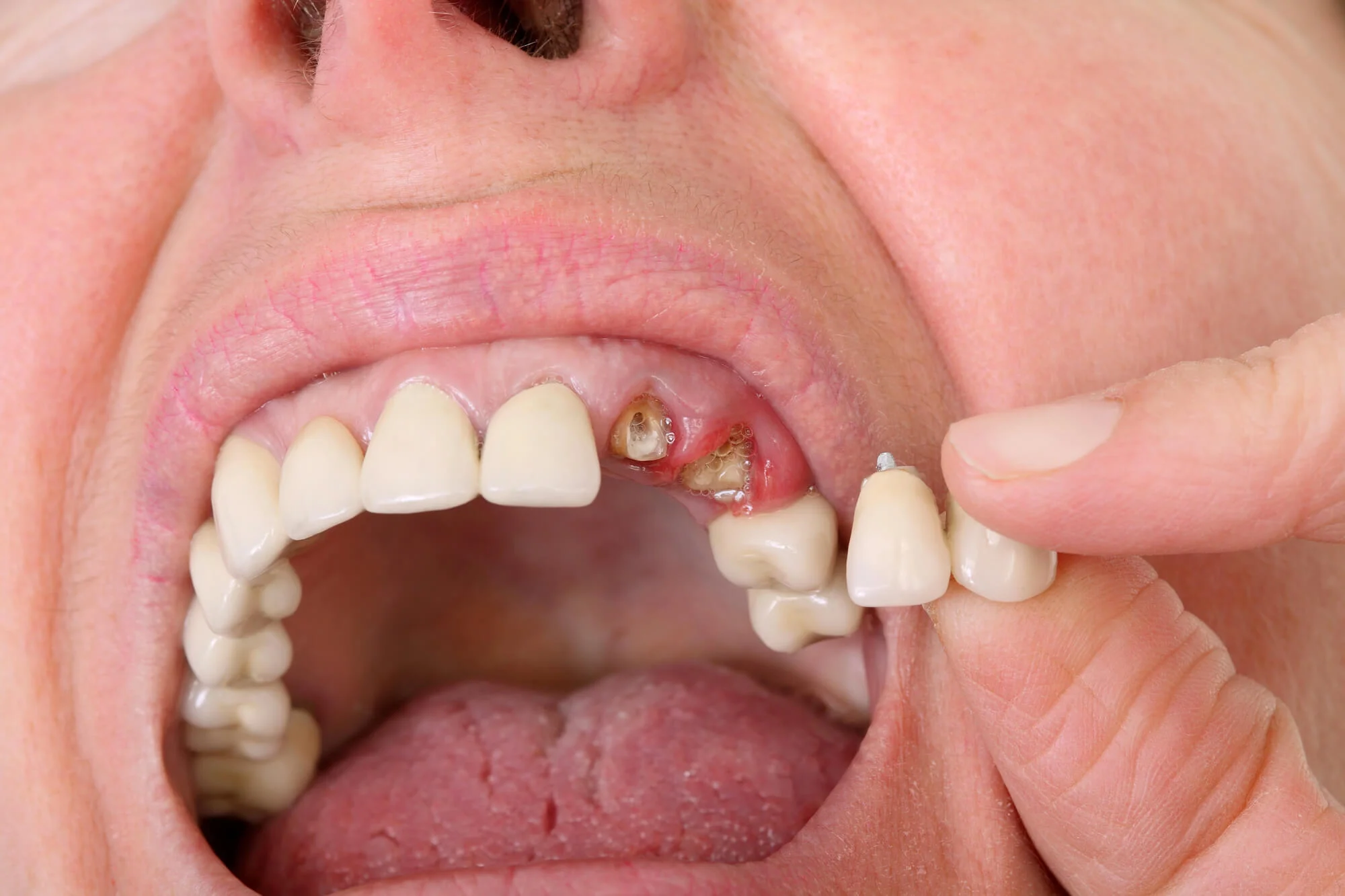
If you’ve recently received dental bridge services, you’re likely eager to get back to eating normally but may feel unsure about what’s safe or comfortable. Adjusting to a dental bridge takes a little time, but with the right habits, you can enjoy your favorite foods again while protecting your new smile.
Getting Comfortable with Your New Dental Bridge
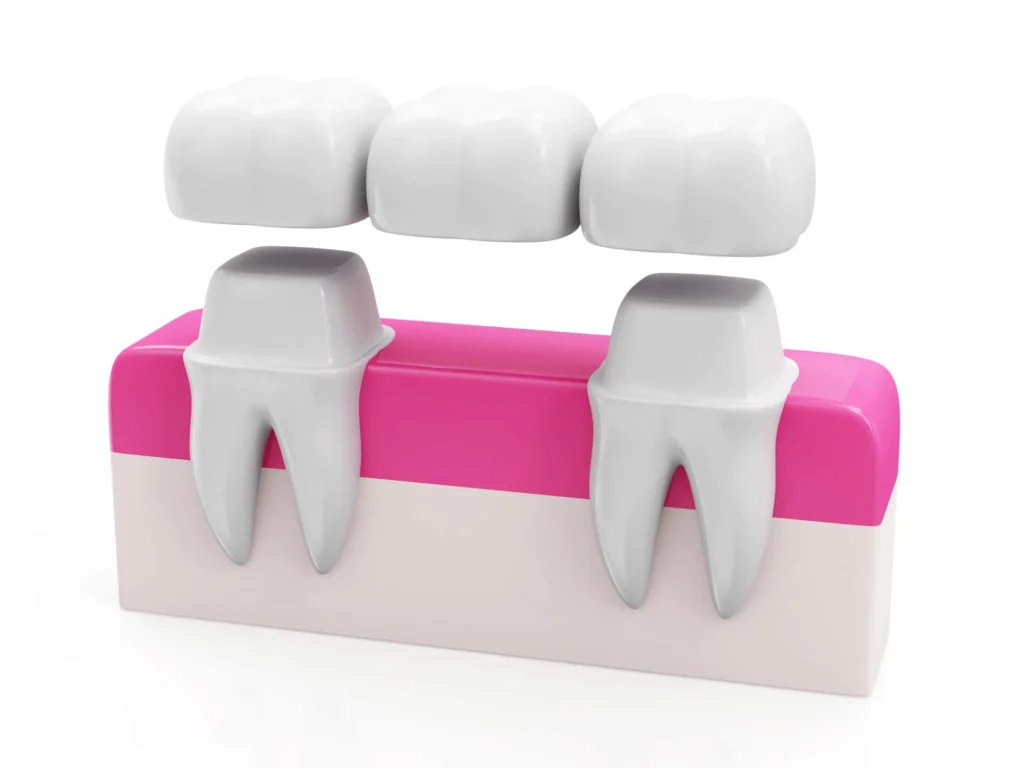
Dental bridges replace missing teeth by connecting artificial ones to nearby natural teeth or implants. While they restore both function and appearance, eating with one requires a short adjustment period. At first, you might notice slight sensitivity or a different bite sensation. That’s completely normal and typically fades as your mouth adapts.
Start Soft and Slow
For the first few days, stick with softer foods that don’t require much chewing. Options like scrambled eggs, yogurt, mashed potatoes, or steamed vegetables are gentle on your bridge and gums. Gradually reintroduce more solid foods as you feel comfortable.
Chew on both sides of your mouth to maintain balance and prevent putting too much pressure on one area. Avoid biting directly into hard foods; instead, cut apples or crusty bread into smaller pieces.
Be Mindful of Sticky or Crunchy Foods
Once you’re used to your bridge, you’ll be able to eat most of what you enjoyed before. However, sticky or hard foods can loosen or damage your bridge over time. To protect it:
- Skip sticky candies like caramel or taffy.
- Avoid chewing ice or popcorn kernels.
- Be careful with crunchy snacks, such as nuts or hard pretzels, that can stress the bridge.
A little caution goes a long way toward keeping your restoration strong and secure.
Keeping Your Bridge and Gums Healthy
Maintaining your dental bridge isn’t just about how you eat; it’s also about how you care for it. Plaque can build up around the bridge, leading to decay in the supporting teeth or irritation of your gums.
Clean Between and Around the Bridge
Even though your replacement tooth isn’t removable, it’s essential to clean underneath and around it daily. Use a floss threader or water flosser to reach tight spaces under the bridge. Brush at least twice a day using fluoride toothpaste and a soft-bristle brush to avoid scratching the surface.
Schedule Regular Dental Visits
Your dentist can spot small issues before they turn into bigger ones. Routine checkups help ensure the bridge fits properly and your supporting teeth stay strong. Professional cleanings also remove buildup that’s hard to reach at home.
Additional Tips for Eating Confidently After Bridges
Once your mouth fully adjusts, your dental bridge will feel natural, almost like your own teeth. You’ll be able to eat a wide variety of foods comfortably and smile without hesitation. Remember, a few mindful eating habits can help your bridge last for many years:
- Chew slowly and evenly.
- Avoid using your teeth as tools.
- Clean thoroughly after meals.
- Keep up with professional cleanings.
With a bit of care, your bridge will not only restore your smile but also your confidence in enjoying meals again.
Eating with a Temporary Bridge vs. a Permanent Bridge
Not all bridges call for the same level of caution, and knowing the difference helps you avoid unnecessary setbacks. If you’ve just received dental bridge services and your dentist placed a temporary bridge while your permanent restoration is being made, treat it with extra care. Temporary bridges are held in place with weaker cement designed for easy removal later, so sticky and chewy foods—like caramel, gum, or taffy—can pull it loose entirely. Stick to soft, non-sticky foods and chew on the opposite side of your mouth whenever possible until your permanent bridge is placed.
Once your permanent bridge is cemented in, it’s built to handle far more pressure and is meant to function like your natural teeth for years to come. You can gradually return to a normal diet, though the same long-term precautions—avoiding ice, hard candy, and extremely hard or sticky foods—still apply to protect the restoration and the teeth supporting it.
How Long After Getting a Dental Bridge Can You Eat?
Timing matters right after your appointment, too. If you received local anesthesia, wait until the numbness fully wears off—usually one to two hours—before eating anything, since it’s easy to accidentally bite your cheek or tongue without realizing it. If you had a temporary bridge placed the same day, give the cement about 30 to 60 minutes to set before eating, and stick to soft foods for the rest of that day. Following these timing guidelines helps your dental bridge services deliver a comfortable, lasting result from day one.
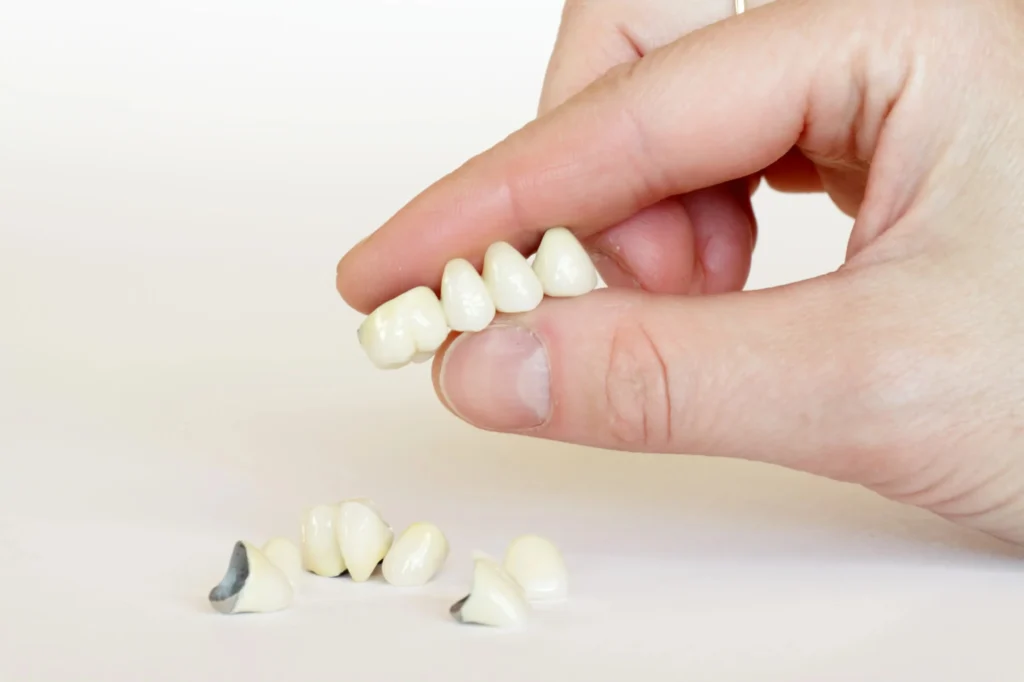
Learn How to Eat Normally After Getting Dental Bridge Services
Ready to experience lasting comfort and function with expert dental bridge services?
Contact Triangle Restoration Dentistry today to schedule your appointment and take the first step toward a confident, fully restored smile.