Dental implants in NC are a popular and effective way to replace missing teeth. Unlike other restorative options, implants are designed to imitate the structure of a natural tooth with an artificial tooth root and a customized, natural-looking crown on top. This allows them to look, feel, and function like natural teeth.
However, dental implant surgery involves several steps and requires time, planning, and commitment, which is why many patients are afraid of getting this treatment. Luckily, understanding these intricacies in detail can make the procedure feel more manageable.
Dental Implant Surgery and What to Expect
Dental implants are a reliable dental restoration recognized for their effectiveness and durability. Properly placed and with good care, they have a success rate ranging from 95% to 98% over a period of 5 to 10 years.
This happens because they’re anchored to your jawbone, which keeps the bone—and your entire mouth—healthy. However, because of that, the placement surgery is a little more involved and includes several steps.
1. Initial Consultation and Evaluation
The journey toward a confident smile begins with a consultation with a dentist or oral surgeon.
This first visit is designed to be informative and supportive. During the appointment, your provider will perform a thorough examination and review your medical and dental history to understand your unique needs.
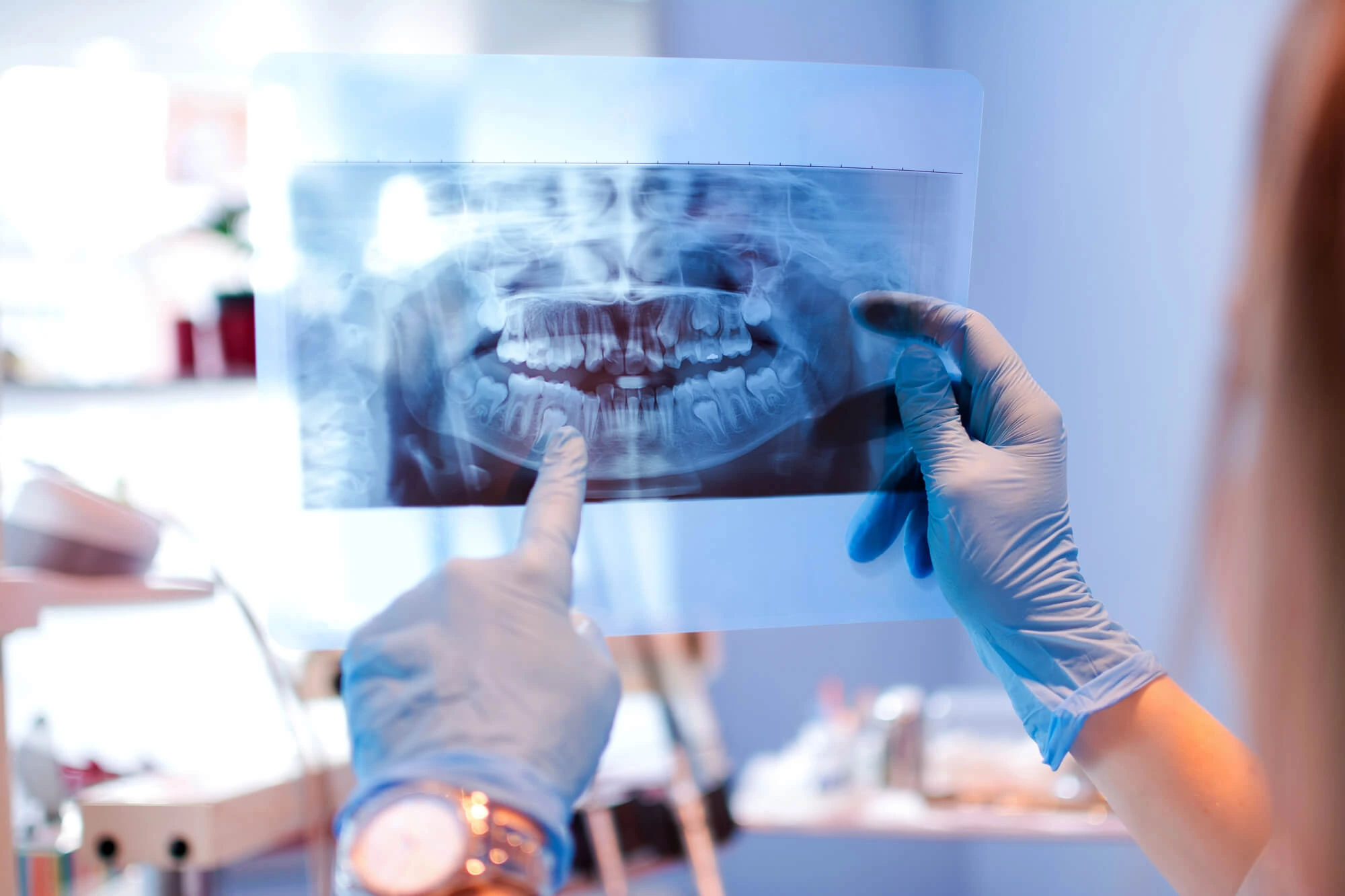
X-rays or a 3D scan (CBCT) are often used to assess the condition of your jawbone and determine whether dental implants are a suitable option for you. If you have bone loss, a bone graft may be recommended before moving forward.
2. Treatment Planning
If you’re a good candidate for implants, the next step is creating a personalized treatment plan tailored specifically to you. This includes determining how many implants are needed, the type of restoration, and a clear timeline for each stage. Your dental team will walk you through every detail, helping you feel confident and prepared every step of the way.
3. Bone Grafting
If your jawbone lacks the necessary strength or thickness to support an implant, a bone graft may be suggested. This process involves placing natural or synthetic bone material into the jaw to rebuild its structure. While healing from a bone graft can take several months, this important step helps create a solid foundation for your future implant and long-term oral health.
4. Implant Placement Surgery
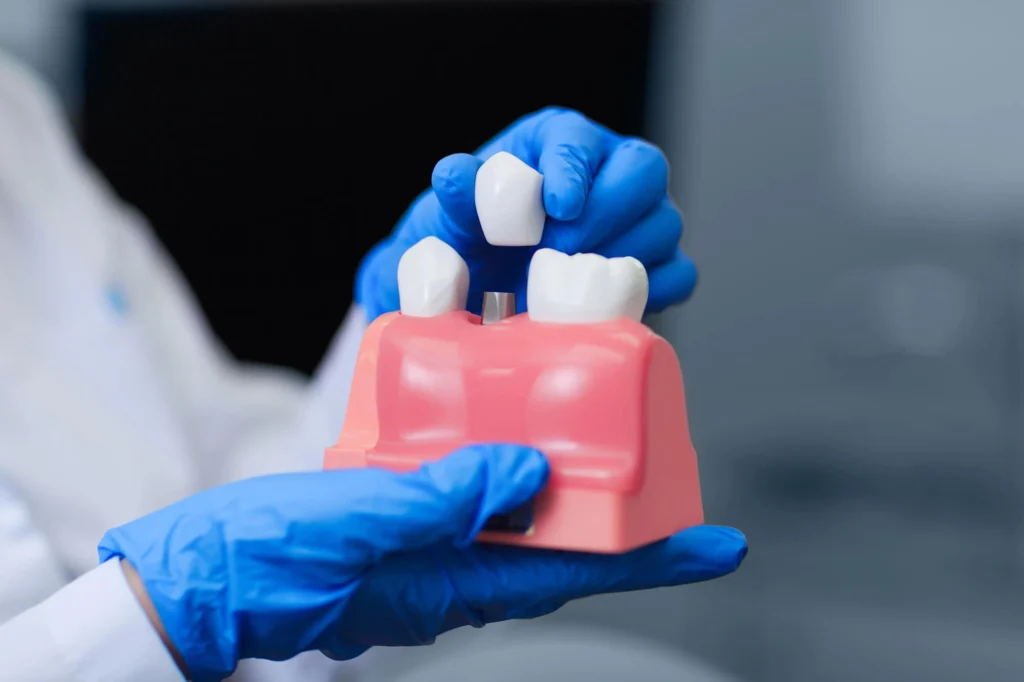
Once your jaw is ready, the dental implant—a small titanium post—is gently placed into the bone. This post serves as an artificial root for your replacement tooth. The procedure is typically performed under local anesthesia, and many patients find the experience more comfortable than expected, with minimal discomfort afterward.
After placement, the implant needs time to fuse with the bone in osseointegration, which usually takes 3 to 6 months. This step is crucial for the implant’s stability and success.
5. Abutment Placement
When healing is complete and the implant has successfully integrated, a small connector called an abutment is placed on top. This part will hold the final restoration, which can be a crown, a bridge, or a denture. The procedure is straightforward and typically requires only a short visit.
6. Crown or Restoration Placement
Finally, a custom-made prosthetic is attached to the abutment. This replacement tooth is designed to match your natural teeth in color, shape, and size, completing your smile and restoring full function.
How Long Does the Implant Process Take?
The dental implant process typically takes 3 to 9 months in total. However, individual factors also play a key role. For a precise assessment, it’s important to consult a dental professional.

Find the Best Dentist for Getting Dental Implants in NC
Getting dental implants may feel overwhelming, but all these steps are necessary to ensure an efficient and durable prosthetic tooth. With proper care, dental implants can last a lifetime, permanently solving tooth loss in most cases.
Moreover, dental pain can be managed nowadays with sedation options and over-the-counter medications. Are you still nervous about the procedure? At Triangle Restoration Dentistry, we want to hear all of your worries and see what we can do to ease them. Contact us today, and let’s work together to achieve a better outcome for your smile!